Consulting
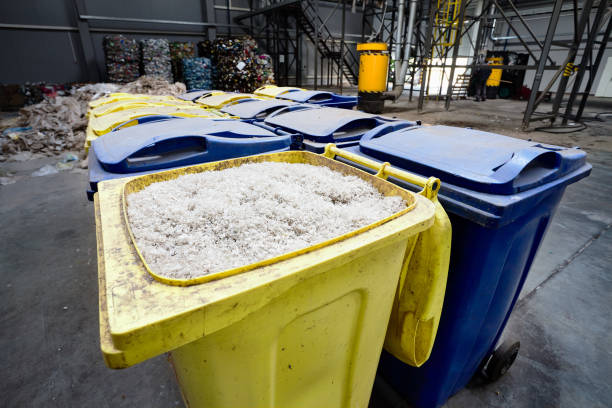
Industrial Plastic Recycling Consulting in Salt Lake City
It is our focus to be a partner to our vendors and customers. We have years of experience with plastic recycling and feel that we have the answers that will not only be environmentally friendly but also give your company its greatest return on investment.
Overview of Consulting
A successful plastic recycling program should do more than remove scrap from your facility. It should help your business organize materials, reduce unnecessary disposal, recover value, improve handling efficiency, and identify realistic opportunities for reuse. Reaction Polymers provides industrial plastic recycling consulting in Salt Lake City for manufacturers, processors, warehouses, and other businesses that need practical guidance for managing post-industrial thermoplastics. Every manufacturing operation produces a different material stream. One facility may generate clean runners and rejected molded parts, while another accumulates heavy purgings, extrusion trim, film, mixed colors, obsolete inventory, or unidentified resin. Some companies already separate their plastic but are unsure whether they are receiving a fair return. Others want to begin recycling but do not know which materials are marketable, how they should be packaged, or whether there is enough volume to justify regular pickups. Reaction Polymers approaches consulting as a partnership with both vendors and customers. The goal is to understand how plastic moves through your operation, where recoverable value may be lost, and what changes could make the recycling process more effective. Recommendations are based on the materials being generated, their condition, available volume, production schedule, warehouse capabilities, transportation requirements, and intended outcome. The process often begins with a review of your current plastic waste stream. This may include identifying the resin types produced, examining how scrap is collected, evaluating contamination risks, estimating quantities, and determining how frequently materials accumulate. Reaction Polymers can help distinguish potentially valuable post-industrial plastic from material that may be difficult to market because it is mixed, contaminated, poorly packaged, or available only in very small quantities. Material separation is one of the most important areas of any industrial plastic recycling program. Different resin types should generally remain separate because co-mingled plastics may have limited recycling value and can create serious problems during reprocessing. Polycarbonate, nylon, ABS, polyethylene, polypropylene, PVC, PETG, acrylic, polystyrene, and other thermoplastics may look similar after grinding, but they can behave very differently when melted. Reaction Polymers can help your business develop practical sorting procedures based on the materials generated at each workstation or production area. This may involve creating designated containers for specific resin types, separating natural and light colors from dark colors, labeling containers clearly, and training employees to recognize what does and does not belong in the recycling stream. Contamination control is another essential part of consulting. Plastic intended for recycling should be kept free from metal, wood, cardboard, paper, screws, rocks, rubber, gloves, tape, paint, sealants, floor sweepings, and other foreign materials. Even a small amount of contamination can reduce the value of a load, damage processing equipment, or make otherwise useful plastic unsuitable for recycling. A well-designed program makes correct sorting easy for employees. Reaction Polymers can help identify where containers should be placed, how materials should be labeled, and which contaminants create the greatest concern. Simple changes at the point where scrap is generated can often prevent larger problems later in the process. Packaging and storage also affect recycling efficiency. Materials should be kept dry, protected from debris, and stored in containers appropriate for their form and weight. Gaylords are commonly used for industrial plastic and may hold approximately 1,000 pounds, depending on the resin and particle size. Proper packaging can make materials easier to inspect, move, weigh, transport, and process. Reaction Polymers can also help evaluate whether your business should sell its plastic scrap, have it processed and returned, or use a combination of both approaches. Selling clean post-industrial plastic may allow a company to recover part of the cost of its waste stream. Toll shredding and granulating may be more appropriate when the manufacturer wants to retain its own material and reuse it as regrind. For companies considering internal reuse, consulting may involve reviewing the material’s resin type, heat history, cleanliness, color, and intended application. Reaction Polymers can help discuss whether the scrap may be suitable for shredding, granulating, blending, custom compounding, reprocessing, or re-pelletizing. The final decision should also consider the manufacturer’s equipment, product specifications, quality requirements, and acceptable recycled-content percentage. Unknown warehouse inventory can create another challenge. Businesses sometimes have pellets, regrind, parts, or purgings that are no longer labeled accurately. Reaction Polymers can assist with testing and material type identification using a representative sample. Once the likely resin and relevant properties are understood, we can make a better-informed decision about recycling, processing, resale, or reuse. Consulting can also support purchasing decisions. Manufacturers sourcing plastic regrind, reprocessed resin, colorants, or additives need to consider more than the price per pound. Material purity, contamination, color, packaging, heat history, consistency, delivery, and suitability for the application can all affect the true cost of a purchase. Reaction Polymers can help customers consider these factors when evaluating material options. The environmental benefits of plastic recycling are important, but a program must also make operational and financial sense. Transportation, labor, storage, processing, contamination, market demand, and material volume all affect the potential return. Reaction Polymers helps businesses consider the complete process instead of focusing on only one part of the transaction. A company may discover that better sorting increases the value of its plastic. Another may find that consolidating material into larger quantities improves transportation efficiency. A third may benefit from toll processing that returns usable regrind instead of purchasing additional resin. The right solution depends on the operation, and recommendations should be built around actual materials and realistic production needs. Reaction Polymers can support both one-time projects and ongoing recycling programs. A consultation may focus on clearing obsolete warehouse inventory, preparing for a facility move, handling material from a product transition, or finding an outlet for a large amount of scrap. It may also involve establishing a recurring program with dedicated containers, scheduled pickups, and clear acceptance standards. Whether your company is beginning a recycling program or trying to improve an existing one, Reaction Polymers can help identify practical next steps. Share information about your resin types, scrap forms, quantities, current sorting process, storage setup, and business objectives to begin developing an environmentally responsible strategy focused on efficiency and return on investment.
A Company You Can Trust
Industrial plastic recycling decisions can affect material costs, warehouse space, production efficiency, environmental goals, and customer expectations. Reaction Polymers understands that consulting recommendations must be practical enough to work within a real manufacturing environment. We have served the thermoplastics industry since 1996 and brings hands-on experience with post-industrial plastic recycling, material purchasing, quality control, transportation, shredding, granulating, blending, compounding, reprocessing, colorants, additives, and material identification. This range of experience provides a broader perspective than consulting based only on general waste management. Reaction Polymers works directly with the materials being discussed. The team understands how resin type, cleanliness, separation, color, quantity, packaging, and transportation can affect whether plastic has a viable recycling market. This makes it possible to provide guidance grounded in the practical realities of material handling and processing. Honest evaluation is an important part of the service. Not every plastic stream will have the same value, and not every material will be appropriate for reuse. Reaction Polymers can help customers understand which characteristics support recyclability and which issues may limit the available options. We also recognize that businesses need solutions that their employees can follow consistently. A recycling plan that is too complicated may quickly fail when production becomes busy. Recommendations are designed to simplify material handling, reduce confusion, and make proper sorting a practical part of everyday operations. Reaction Polymers focuses on building lasting relationships with vendors and customers. The objective is not to recommend unnecessary processing or force every company into the same program. It is to identify the approach that best fits the material, the facility, and the customer’s goals. Clear communication continues as the program develops. Material types and production volumes can change, market conditions can shift, and new recycling opportunities may become available. Reaction Polymers can help review those changes and adjust the program when necessary. Environmental responsibility and business performance do not have to compete with one another. A carefully developed recycling program can reduce waste while creating operational or financial value. Reaction Polymers helps customers pursue both objectives with straightforward guidance and experienced support.
Why Clients Choose Reaction Polymers
Clients choose Reaction Polymers because we combine consulting with the industrial services needed to carry out many of its recommendations. A business does not receive a general report and then have to locate several unrelated companies to implement it. Reaction Polymers can assist with purchasing plastic, supplying material, arranging transportation, toll processing, blending, reprocessing, color matching, additives, and material identification. This integrated approach helps streamline the recycling process. When a material is suitable for sale, Reaction Polymers can discuss a purchasing program. When the customer wants the plastic returned for reuse, toll shredding and granulating may provide a better solution. When material requires modification, custom blending, compounding, or re-pelletizing can be evaluated. Manufacturers also value guidance that considers the entire waste stream. Reaction Polymers looks at how material is generated, collected, separated, packaged, stored, transported, and processed. Improvements in any of these areas can influence recycling value and efficiency. We can assist businesses with a variety of thermoplastic materials and production challenges. Consulting may involve clean production scrap, runners, sprues, purgings, rejected parts, off-color resin, obsolete inventory, film, regrind, pellets, or unidentified warehouse materials. Each project is evaluated individually rather than treated as a standard waste-removal service. Clients appreciate having options. A company may be able to sell a material today and later establish a closed-loop program that returns it as regrind. Another may begin with material testing before moving into blending or reprocessing. Reaction Polymers helps customers understand these possibilities and choose an appropriate path. Return on investment remains an important consideration. The value of a recycling program may come from material payments, lower disposal expenses, reduced raw-material purchases, improved warehouse organization, more efficient transportation, or a combination of benefits. Reaction Polymers helps identify where the most realistic opportunities may exist without promising results that the material or market cannot support. The environmental benefits are equally meaningful. Recovering clean industrial plastic keeps useful resources in circulation and can reduce the amount of material sent to landfills. Reusing suitable plastic may also reduce the need for additional virgin resin in certain applications. Reaction Polymers helps companies pursue these goals in a structured, commercially practical way. Whether your company needs help evaluating one material or redesigning an entire plastic recycling program, Reaction Polymers can provide experienced guidance. Begin with details about your current waste stream, resin types, approximate quantities, contamination concerns, storage practices, and desired results. Together, those details can become the foundation for a cleaner, more efficient, and more valuable recycling strategy.
Key Benefits:
- Durability: Premium materials and expert craftsmanship ensure your remodel stands the test of time.
- Functionality: Designed around your lifestyle, every layout improves flow, comfort, and usability.
- Curb Appeal: Updated interiors and exteriors that elevate your home’s first impression.
- Energy Efficiency: Modern insulation, windows, and systems that save money year after year.
- Peace of Mind: Licensed, insured, and locally trusted since 1990—our team delivers quality you can rely on.
Gallery



Business Hours
Mon: 8 AM–5 PM
Tue: 8 AM–5 PM
Wed: 8 AM–5 PM
Thu: 8 AM–5 PM
Fri: 8 AM–5 PM
Sat: Closed
Sun: Closed
Content on this website, including text and images, is protected under applicable copyright laws. Copying, downloading, redistribution, or reproduction of this material, in whole or in part, is strictly prohibited. Terms of Use | Privacy Policy