Sell Plastic
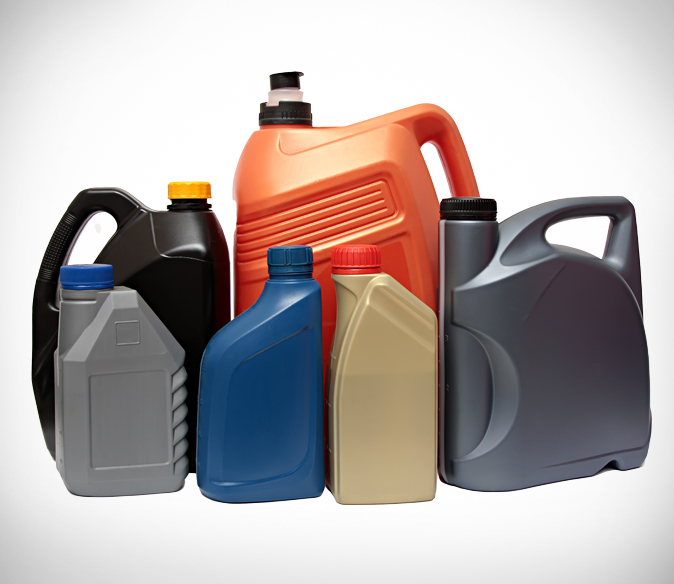
Sell Your Plastic Scrap to an Experienced Industrial Plastic Recycler
We provide the pick-up of materials, recycling containers, and transportation of materials all at no cost. We also pay for the materials in a prompt manner, eliminating the common fear many customers might have about receiving compensation for their materials.
Sell Plastic Scrap in Salt Lake City, UT
Top 3 Things You Can Do to Get the Best Price when Selling Your Plastic
Generally speaking, higher-strength engineering-grade plastics such as Polycarbonate, Nylon & ABS are more valuable than commodity-grade plastics such as Polyethylene, Polypropylene and Poly Vinyl Chloride (PVC). If you ever have a question on where your type of plastic falls in the price spectrum, don’t hesitate to call us or e-mail us.
This is the most important factor that affects the value of plastic. In order for plastic to be recycled into new parts, the plastic must be clean and not co-mingled. This means that different plastic types CANNOT be mixed together. Generally speaking there is no market for any co-mingled plastic.
Additionally, plastic must be free from any metal, wood, floor sweepings, rags, screws, rocks, metal clips, rubber or latex gloves, cardboard, paper, tape of any kind, gaskets, rubber, sealants, paint, etc. These are contaminants and generally render the plastic unrecyclable if they cannot be removed.
While color is not as important as the above items, it does affect value. Light colored plastics are harder to go black than dark colored plastics. Generally, it is best to keep light colored plastics with light colored and dark colored plastic with dark colored. The quality of the packaging also affects value.
Recycled plastic is sold in boxes called gaylords. These gaylords hold approximately 1000 pounds of plastic. There is generally no market for a few hundred pounds of anything unless it can be added to the same type of plastic from another source. It costs less per pound to transport 10,000 pounds than 1,000 pounds over a given distance.
At Reaction Polymers, Inc., we strive to make sure you always get the most for your plastic. Free to call us or e-mail us today if we can assist you in any way.
Overview of Selling Your Plastic
Plastic scrap does not have to be an expensive waste stream. When material is properly identified, separated, and prepared, it can become a valuable resource that helps your business recover costs, reduce landfill waste, and improve its overall recycling process. Reaction Polymers works with manufacturers, processors, warehouses, and other commercial operations looking to sell plastic scrap in Salt Lake City, throughout Utah, and beyond. Instead of leaving reusable material sitting in your facility or paying to dispose of it, you may be able to turn that plastic into additional revenue. Reaction Polymers specializes in post-industrial plastic recycling. This may include production scrap, rejected parts, purgings, excess inventory, runners, sprues, off-spec materials, and other thermoplastic waste generated during manufacturing. Depending on the material and condition, we may also be able to assist with shrink wrap, plastic film, old corrugated cardboard, and materials that businesses may have assumed had little or no value. This one-stop approach makes it easier to manage multiple recyclable waste streams through one experienced industrial recycling partner. Selling plastic should not create additional work for your team. Reaction Polymers can provide qualifying customers with material pickup, recycling containers, and transportation at no cost. There is no need to load up your own vehicles or repeatedly transport material to a recycling facility. Once the recycling program is established, your team can place approved material into the designated containers while Reaction Polymers helps coordinate the logistics. Prompt payment for accepted material also gives vendors confidence that they will receive the compensation they have earned. The price offered by plastic scrap buyers in Utah depends on several important factors, beginning with the type of resin. Engineering-grade plastics, including polycarbonate, nylon, and ABS, can often carry more value than commodity-grade materials such as polyethylene, polypropylene, and PVC. However, market conditions, color, form, quality, volume, and current demand can all influence pricing. Identifying the resin correctly gives Reaction Polymers the information needed to evaluate the material and determine whether an active recycling market is available. Cleanliness and separation are especially important when selling post-industrial plastic. Different resin types should not be mixed in the same box or container. Plastic should also remain free of metal, wood, cardboard, paper, screws, rocks, floor sweepings, tape, gloves, rubber, gaskets, paint, sealants, and other contaminants. Even a useful resin can lose much of its value when contamination makes processing difficult or prevents it from being recycled. Keeping materials separated at the point of production is one of the simplest ways to improve quality and maximize potential value. Color separation can also make a difference. Light-colored plastics are generally more versatile because they may be reused in a wider range of color applications. Mixing light material with dark or black plastic can reduce that flexibility. Whenever possible, keep natural and light-colored plastics separate from dark-colored materials. Clean packaging, properly labeled containers, and consistent material streams also help plastic recycling companies inspect, transport, and process scrap more efficiently. Quantity affects both marketability and transportation costs. Industrial plastic is commonly packaged in large boxes known as gaylords, which often hold approximately 1,000 pounds depending on the material. Larger, consistent quantities can be more economical to transport and easier to match with end users. A smaller volume may still be recyclable when it can be combined with the same clean resin from another source, but every opportunity must be evaluated individually. Reaction Polymers can review your material type, estimated quantity, condition, packaging, and generation frequency to help determine the best path forward. Companies that want to retain ownership of their plastic may also benefit from toll grinding. Reaction Polymers can pick up approved material, process it into reusable regrind, and return it in lined gaylords secured to pallets. This allows manufacturers to reclaim material from startups, color changes, purgings, rejected parts, and production scrap without purchasing or operating their own grinding equipment. Whether you want to sell post-industrial plastic or return processed material to your manufacturing operation, the goal is to make recycling practical, efficient, and worthwhile.
A Company You Can Trust
Choosing the right industrial plastic recycling company is about more than finding someone willing to haul material away. You need a partner that understands resin identification, contamination standards, transportation requirements, processing capabilities, and the changing market for recycled plastics. Reaction Polymers has served the thermoplastics resin industry since 1996 and has developed the equipment, industry knowledge, and relationships needed to manage substantial post-industrial material streams. We recycle more than 10 million pounds of industrial plastic each year and serves customers throughout the continental United States. Every transaction begins with a careful review of the material. Resin type, color, form, cleanliness, packaging, quantity, and frequency all play a role in determining whether plastic can be accepted and what it may be worth. This evaluation protects both the vendor and the eventual end user. It reduces confusion, limits rejected loads, and helps establish clear expectations before transportation is arranged. Reaction Polymers also understands that manufacturers need dependable service. Plastic scrap can take up valuable floor space, interfere with production, and create unnecessary handling costs when pickups are inconsistent. Coordinated transportation and recycling containers help maintain a cleaner, more organized facility while keeping recoverable material moving. When accepted material is picked up, processed, and paid for promptly, recycling becomes a reliable part of your operation rather than another problem your team must manage. Integrity is central to the way Reaction Polymers approaches business. We focus on environmentally responsible recycling, straightforward communication, quality service, and long-term relationships with vendors and customers. The objective is not simply to complete a single purchase. It is to develop a dependable recycling program that continues delivering value as your production needs and material volumes change.
Why Clients Choose Reaction Polymers
Manufacturers choose Reaction Polymers because the process is designed to be simple. We can help evaluate your plastic scrap, determine whether a market is available, provide appropriate containers, coordinate transportation, and purchase qualifying material. This gives your team one experienced contact for multiple stages of the recycling process. Clients also appreciate having options. Some businesses want to sell plastic scrap and recover immediate value from their waste stream. Others want their material shredded or granulated and returned for reuse. Reaction Polymers can support both approaches. Toll grinding allows companies to reclaim their own thermoplastics without investing in additional machinery, labor, maintenance, or processing time. Another advantage is the ability to handle a variety of industrial materials. Reaction Polymers works within the thermoplastics resin industry and has experience with engineering-grade and commodity-grade plastics. Potential materials may include polycarbonate, polyethylene, PETG, acrylic, ABS, polypropylene, flexible PVC, rigid PVC, nylon, polystyrene, and other thermoplastic resins. Acceptance depends on the material’s condition, quantity, contamination level, and current market demand. Most importantly, Reaction Polymers helps businesses look at plastic scrap differently. What appears to be excess inventory, production waste, or unusable material may represent an opportunity to recover costs and support a more environmentally responsible operation. A cleaner, better-organized material stream can often improve value while making pickups and processing more efficient. Start by gathering a few basic details about your material, including the suspected resin type, color, form, approximate weight, packaging, cleanliness, and how often it is generated. Photos and representative samples may also help with the initial evaluation. Contact Reaction Polymers to discuss your plastic scrap and find out whether it can become part of a practical, profitable recycling program.
Key Benefits:
- Durability: Premium materials and expert craftsmanship ensure your remodel stands the test of time.
- Functionality: Designed around your lifestyle, every layout improves flow, comfort, and usability.
- Curb Appeal: Updated interiors and exteriors that elevate your home’s first impression.
- Energy Efficiency: Modern insulation, windows, and systems that save money year after year.
- Peace of Mind: Licensed, insured, and locally trusted since 1990—our team delivers quality you can rely on.
Gallery



Business Hours
Mon: 8 AM–5 PM
Tue: 8 AM–5 PM
Wed: 8 AM–5 PM
Thu: 8 AM–5 PM
Fri: 8 AM–5 PM
Sat: Closed
Sun: Closed
Content on this website, including text and images, is protected under applicable copyright laws. Copying, downloading, redistribution, or reproduction of this material, in whole or in part, is strictly prohibited. Terms of Use | Privacy Policy